Dr Jayesh Amin

Dr Jayesh Amin

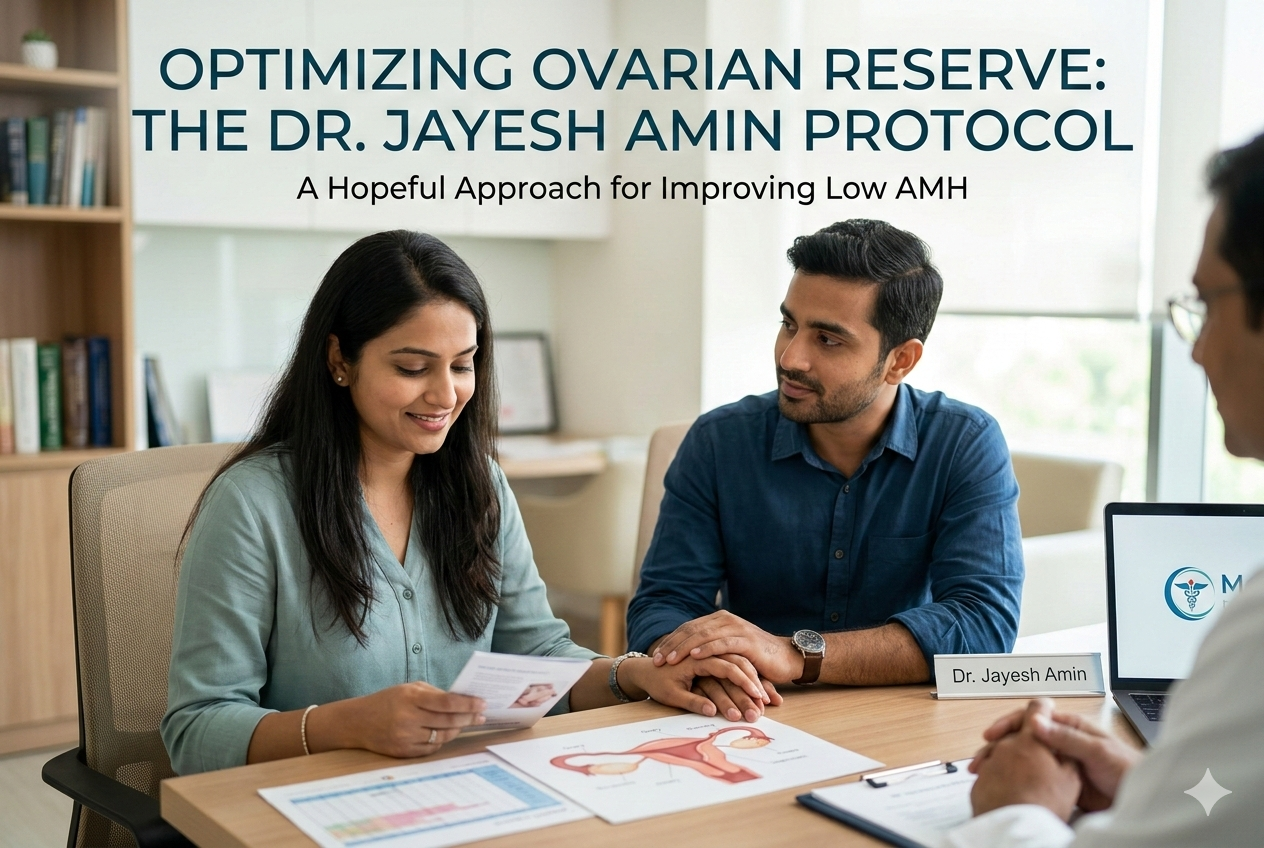
Optimizing Ovarian Reserve: The Dr. Jayesh Amin Protocol for Improving Low AMH

A diagnosis of Low AMH (Anti-Müllerian Hormone) can feel overwhelming, especially if you are planning a pregnancy. Often referred to as “low ovarian reserve,” it essentially means the egg count is lower than expected for your age.

While you cannot “create” new eggs, clinical experience from experts like Dr. Jayesh Amin suggests that you can significantly improve the quality of the remaining eggs and optimize the reproductive environment through targeted nutrition and lifestyle shifts.

Optimizing Ovarian Reserve: The Dr. Jayesh Amin Protocol for Improving Low AMH

A diagnosis of Low AMH (Anti-Müllerian Hormone) can feel overwhelming, especially if you are planning a pregnancy. Often referred to as “low ovarian reserve,” it essentially means the egg count is lower than expected for your age.

While you cannot “create” new eggs, clinical experience from experts like Dr. Jayesh Amin suggests that you can significantly improve the quality of the remaining eggs and optimize the reproductive environment through targeted nutrition and lifestyle shifts.

Understanding the Dr. Jayesh Amin Clinical Approach

Dr. Jayesh Amin’s protocol focuses on the “Soil and Seed” theory. If the “seeds” (eggs) are limited, we must make the “soil” (your body’s internal environment) exceptionally fertile. By reducing oxidative stress and improving mitochondrial function, we can enhance fertility outcomes even with a low AMH count.

  1. The Fertility Diet: Fueling Your Follicles

Nutrition is the cornerstone of the Amin protocol. The goal is to reduce inflammation and balance hormones.

  • The Power of Proteins: Incorporate high-quality plant proteins (lentils, chickpeas, quinoa) and lean proteins like organic poultry or omega-3 rich fish.
  • Antioxidant-Rich “Rainbow” Foods: Oxidative stress is the enemy of egg quality. Load up on blueberries, spinach, walnuts, and pomegranate.
  • Healthy Fats (The Hormone Builders): Avocados, extra virgin olive oil, and flaxseeds provide the building blocks for reproductive hormones.
  • Eliminate “Fertility Blockers”: Minimize processed sugars, trans fats, and excessive caffeine, which can spike insulin and disrupt ovulation.
  1. Targeted Exercise: Movement without Stress

When dealing with low AMH, more is not always better. High-intensity interval training (HIIT) can sometimes raise cortisol, which may negatively impact egg maturation.

  • Moderate Cardio: 30 minutes of brisk walking or swimming 5 days a week improves blood flow to the pelvic organs.
  • Fertility Yoga: Specific poses like Baddha Konasana (Butterfly Pose) help stimulate blood circulation to the ovaries.
  • Strength Training: Light weightlifting twice a week helps maintain insulin sensitivity, which is vital for hormonal balance.
  1. Dr. Amin’s Lifestyle Recommendations
  • The 8-Hour Sleep Rule: Melatonin, the sleep hormone, is also a powerful antioxidant for the fluid surrounding your eggs.
  • Stress Management: Chronic stress diverts blood flow away from the reproductive system. Practice mindfulness or guided meditation.
  • Supplements (Under Supervision): Dr. Amin often recommends Coenzyme Q10 (CoQ10), Vitamin D3, and Melatonin to support mitochondrial health in eggs.
Category Focus Area Recommended Action
Diet Inflammation Control Mediterranean-style diet; high antioxidants.
Exercise Blood Circulation 150 mins/week of moderate activity (Walking/Yoga).
Supplements Egg Quality CoQ10 (Ubiquinol), Vitamin D, Folic Acid.
Habits Detoxification Quit smoking and limit plastic (BPA) exposure.


Low AMH is a number, not a final verdict. By following a structured clinical protocol focused on cellular health, many women successfully achieve pregnancy either naturally or through assisted technologies like IVF.

Frequently Asked Questions

Ahmedabad is now home to one of India’s leading IVF doctors, offering advanced reproductive science with personalised care. Dr. Jayesh Amin combines world-class fertility expertise with ethical, transparent treatment protocols that have helped thousands of couples conceive.

Failed cycles don’t mean the end. Dr Amin specialises in improving success rates after previously failed IVF by identifying root-cause issues. We see at least two couples every day who come in after being told that donor eggs or sperm are the only option left. In most cases, that is not true. Before considering donation, we study why previous cycles did not work, including stimulation pattern, embryo growth, uterine health, and timing.

Yes — couples across India and abroad consult online with our fertility expert to review reports and receive a personalised plan. This allows you to get expert guidance from Dr. Jayesh Amin regardless of your location.

Yes, we provide egg freezing treatment in Ahmedabad with evidence-based protocols and transparent care. Our centre offers safe, evidence-driven egg freezing using protocols designed to optimise egg quality with minimal discomfort. Many women across India choose Dr Amin’s clinic as a trusted egg freezing centre for medical, career, or personal reasons.

Many couples are told they need other options. With the right diagnostics and timing, that’s often not the case. Our goal is simple: conception with your own genetics whenever science allows.

Reports show numbers. Biology shows behavior. Even when everything appears fine, subtle differences in timing, hormonal response, or embryo development can influence results. Each failed cycle provides information. When that data is reviewed properly, the next plan is sharper and more targeted.

Dr. Amin believes every couple deserves the chance to have a baby that is genetically their own. Age alone does not decide outcome. What matters is how the ovaries respond, how embryos develop, and how the body supports implantation. Many women above 37 still conceive using their own eggs once the process is optimized. Donor is considered only when truly necessary.

We do not just repeat treatment. We study it. Every cycle is reviewed in depth to understand what worked, what did not, and why. The next plan is then built around your body’s specific response, not a generic formula.

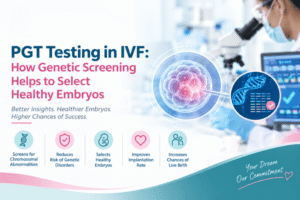
Genetic testing (PGT-A) examines embryos for chromosomal balance before transfer. It is advised in cases like repeated IVF failures, recurrent miscarriages, or when one partner carries a known genetic condition. It helps improve the chance of a healthy pregnancy and reduces the likelihood of loss.

Genetic testing (PGT-A) examines embryos for chromosomal balance before transfer. It is advised in cases like repeated IVF failures, recurrent miscarriages, or when one partner carries a known genetic condition. It helps improve the chance of a healthy pregnancy and reduces the likelihood of loss.

We see at least two couples every day who come in after being told the same thing, that donor eggs or sperm are the only option left. In most cases, that is not true. Before considering donation, we study why previous cycles did not work, including stimulation pattern, embryo growth, uterine health, and timing. Once those are corrected, many couples go on to conceive with their own eggs and sperm. Donor options are used only when there is a clear, proven medical reason, never as the first solution.

The first step is a detailed case review. We go through previous reports, stimulation charts, embryo grading, and transfer history. This helps identify patterns and possible gaps, giving us the clarity to plan differently, not just try again.

For most couples, it takes two to three attempts. Each cycle teaches something valuable about how the body responds to medication and timing. When that learning is applied, success rates rise steadily.

Complex simply means the reason for failure is not clear through standard testing. These cases often require deeper evaluation, such as hormonal balance, uterine environment, and sometimes genetic factors. With the right assessment, even complex cases can become manageable.

Yes. Many of our patients travel from across India and abroad. We offer structured out-of-town care plans that include pre-visit consultations, coordination with your local doctors, and tie-ups with 3-, 4-, and 5-star hotels for comfortable stays. From arrival to treatment to follow-up, everything can be planned in advance so your journey remains smooth and stress-free.

Choose based on clarity, not claims. Ask how they review past failures, how decisions are explained, and how they determine when donor options are truly necessary. Even if you do not go ahead with Dr. Amin, make sure your doctor walks you through the why behind every step, not just the what. A safe fertility journey is one where you understand your plan, your risks, and your options clearly and calmly. That clarity alone can change outcomes.