Dr Jayesh Amin

Dr Jayesh Amin

Recurrent Implantation Failure (RIF): Causes, Diagnosis and Latest Treatment Options

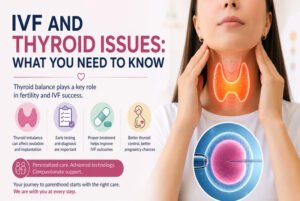
Recurrent Implantation Failure (RIF) is one of the most emotionally and clinically draining situation in ART. For couples undergoing IVF, the transfer of a good-quality Euploid embryo brings hope, even after that when implantation repeatedly fails despite everything looking normal and optimal treatment, it needs deeper evaluation and evidence-based management. As a fertility specialist having 25 years of experience , I often see patients who have undergone multiple IVF cycles without success, and understanding RIF thoroughly helps in counselling and tailoring personalized treatment protocols for such couples. Recurrent Implantation Failure generally refers to the failure to achieve a clinical pregnancy after the transfer of good-quality euploid embryo in multiple IVF cycles. Although definitions vary, RIF is commonly understood as Failure after 2–3 euploid embryo transfers or transfer of at least 3–4 good-quality embryos in women usually below 35-38 years of age. However, modern reproductive medicine emphasizes individualized assessment rather than a rigid definition because we believe that one size does fit for all and story of every couple is unique. Now when couples ask Why Does Implantation Fail? So it can be understood as Implantation is a complex interaction between a healthy embryo, a receptive endometrium, proper hormonal synchronization and Immune and molecular balance. Failure may occur due to issues in any of these areas. 1. Embryo-Related Causes- Embryonic factors account for the majority of implantation failures like Chromosomal abnormalities (aneuploidy), Even good-looking embryos may be genetically abnormal. Poor embryo quality due to Advanced maternal age and high Sperm DNA fragmentation also leads to this situation. Preimplantation Genetic Testing for Aneuploidy (PGT-A) can help in selection of chromosomally normal embryos, especially in women above 35 years. 2. Endometrial Factors- even a perfect embryo cannot implant if the uterine lining is not receptive. Common endometrial causes include Thin endometrium, Displaced window of implantation, Chronic endometritis, Uterine polyps, Fibroids distorting the cavity, Adenomyosis and Intrauterine adhesions etc. Advanced tests like Endometrial Receptivity Analysis (ERA) may help identify personalized embryo transfer timing in selected patients. Immunological and Thrombophilic Factors also play crucial roles. In some women, immune imbalance or clotting disorders may interfere with implantation. Possible contributors may be Antiphospholipid syndrome, Elevated natural killer (NK) cell activity, Autoimmune conditions like Thrombophilia. Treatment may include low-dose aspirin, heparin, or immunomodulatory therapy in selected, evidence-supported cases. 3. Hormonal Imbalance- Inadequate progesterone support, Thyroid disorders, Hyperprolactinemia, Poor luteal phase support may be the reasons for implantation failure. Therefore proper hormonal optimization is crucial before embryo transfer.
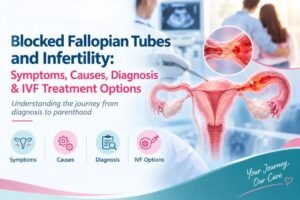
How is Recurrent Implantation Failure Diagnosed? Diagnosis requires a systematic approach

1. Detailed IVF history and review 2. Embryo grading and genetic evaluation 3. 3D ultrasound or hysteroscopy if needed. 4. Endometrial thickness assessment 5. Thyroid and metabolic screening 6. Evaluation for chronic endometritis 7. Thrombophilia work-up (when indicated) A structured and stepwise workup avoids unnecessary tests and prevents overtreatment. Latest Treatment Options for RIF- Management depends on treating underlying cause. There is no “one-size-fits-all” solution. Personalized Embryo Transfer strategy should be considered. Timing transfer according to individual endometrial receptivity is important. Selecting euploid embryos to reduce implantation failure is advisable. Treatment of Chronic Endometritis by Antibiotics following biopsy confirmation helps. Hysteroscopic Correction of cavity like Removal of polyps, adhesions, or submucous fibroids should be considered. PRP (Platelet-Rich Plasma) may be used in thin endometrium cases as per emerging evidence. Modified Natural or Hormone Replacement Protocols to Optimise hormonal environment can be considered as per the case requirement. Emotional Impact of Recurrent Implantation Failure is important to be addressed. Repeated IVF failures can lead to Anxiety, Depression, Marital stress and Financial burden. Counselling and emotional support is as important as medical treatment. A compassionate approach improves compliance to treatment and psychological well-being. Can Pregnancy Still Be Achieved After RIF? Yes, Many couples have been able to conceive after proper evaluation and individualized treatment. Identifying the root cause significantly improves success rates. Advancements in reproductive medicine like genetic testing, molecular diagnostics and improved embryo culture systems have enhanced outcomes even in challenging RIF cases. Early evaluation prevents unnecessary delays and repeated unsuccessful cycles. Recurrent Implantation Failure is complex but manageable with structured, evidence-based, and personalized strategies. If you are facing repeated IVF failures, do not lose hope. Scientific advancements and individualized fertility care can make a significant difference.   📞 Book your appointment with Dr. Jayesh Amin in Ahmedabad today.

Frequently Asked Questions

Ahmedabad is now home to one of India’s leading IVF doctors, offering advanced reproductive science with personalised care. Dr. Jayesh Amin combines world-class fertility expertise with ethical, transparent treatment protocols that have helped thousands of couples conceive.

Failed cycles don’t mean the end. Dr Amin specialises in improving success rates after previously failed IVF by identifying root-cause issues. We see at least two couples every day who come in after being told that donor eggs or sperm are the only option left. In most cases, that is not true. Before considering donation, we study why previous cycles did not work, including stimulation pattern, embryo growth, uterine health, and timing.

Yes — couples across India and abroad consult online with our fertility expert to review reports and receive a personalised plan. This allows you to get expert guidance from Dr. Jayesh Amin regardless of your location.

Yes, we provide egg freezing treatment in Ahmedabad with evidence-based protocols and transparent care. Our centre offers safe, evidence-driven egg freezing using protocols designed to optimise egg quality with minimal discomfort. Many women across India choose Dr Amin’s clinic as a trusted egg freezing centre for medical, career, or personal reasons.

Many couples are told they need other options. With the right diagnostics and timing, that’s often not the case. Our goal is simple: conception with your own genetics whenever science allows.

Reports show numbers. Biology shows behavior. Even when everything appears fine, subtle differences in timing, hormonal response, or embryo development can influence results. Each failed cycle provides information. When that data is reviewed properly, the next plan is sharper and more targeted.

Dr. Amin believes every couple deserves the chance to have a baby that is genetically their own. Age alone does not decide outcome. What matters is how the ovaries respond, how embryos develop, and how the body supports implantation. Many women above 37 still conceive using their own eggs once the process is optimized. Donor is considered only when truly necessary.

We do not just repeat treatment. We study it. Every cycle is reviewed in depth to understand what worked, what did not, and why. The next plan is then built around your body’s specific response, not a generic formula.

Genetic testing (PGT-A) examines embryos for chromosomal balance before transfer. It is advised in cases like repeated IVF failures, recurrent miscarriages, or when one partner carries a known genetic condition. It helps improve the chance of a healthy pregnancy and reduces the likelihood of loss.

Genetic testing (PGT-A) examines embryos for chromosomal balance before transfer. It is advised in cases like repeated IVF failures, recurrent miscarriages, or when one partner carries a known genetic condition. It helps improve the chance of a healthy pregnancy and reduces the likelihood of loss.

We see at least two couples every day who come in after being told the same thing, that donor eggs or sperm are the only option left. In most cases, that is not true. Before considering donation, we study why previous cycles did not work, including stimulation pattern, embryo growth, uterine health, and timing. Once those are corrected, many couples go on to conceive with their own eggs and sperm. Donor options are used only when there is a clear, proven medical reason, never as the first solution.

The first step is a detailed case review. We go through previous reports, stimulation charts, embryo grading, and transfer history. This helps identify patterns and possible gaps, giving us the clarity to plan differently, not just try again.

For most couples, it takes two to three attempts. Each cycle teaches something valuable about how the body responds to medication and timing. When that learning is applied, success rates rise steadily.

Complex simply means the reason for failure is not clear through standard testing. These cases often require deeper evaluation, such as hormonal balance, uterine environment, and sometimes genetic factors. With the right assessment, even complex cases can become manageable.

Yes. Many of our patients travel from across India and abroad. We offer structured out-of-town care plans that include pre-visit consultations, coordination with your local doctors, and tie-ups with 3-, 4-, and 5-star hotels for comfortable stays. From arrival to treatment to follow-up, everything can be planned in advance so your journey remains smooth and stress-free.

Choose based on clarity, not claims. Ask how they review past failures, how decisions are explained, and how they determine when donor options are truly necessary. Even if you do not go ahead with Dr. Amin, make sure your doctor walks you through the why behind every step, not just the what. A safe fertility journey is one where you understand your plan, your risks, and your options clearly and calmly. That clarity alone can change outcomes.