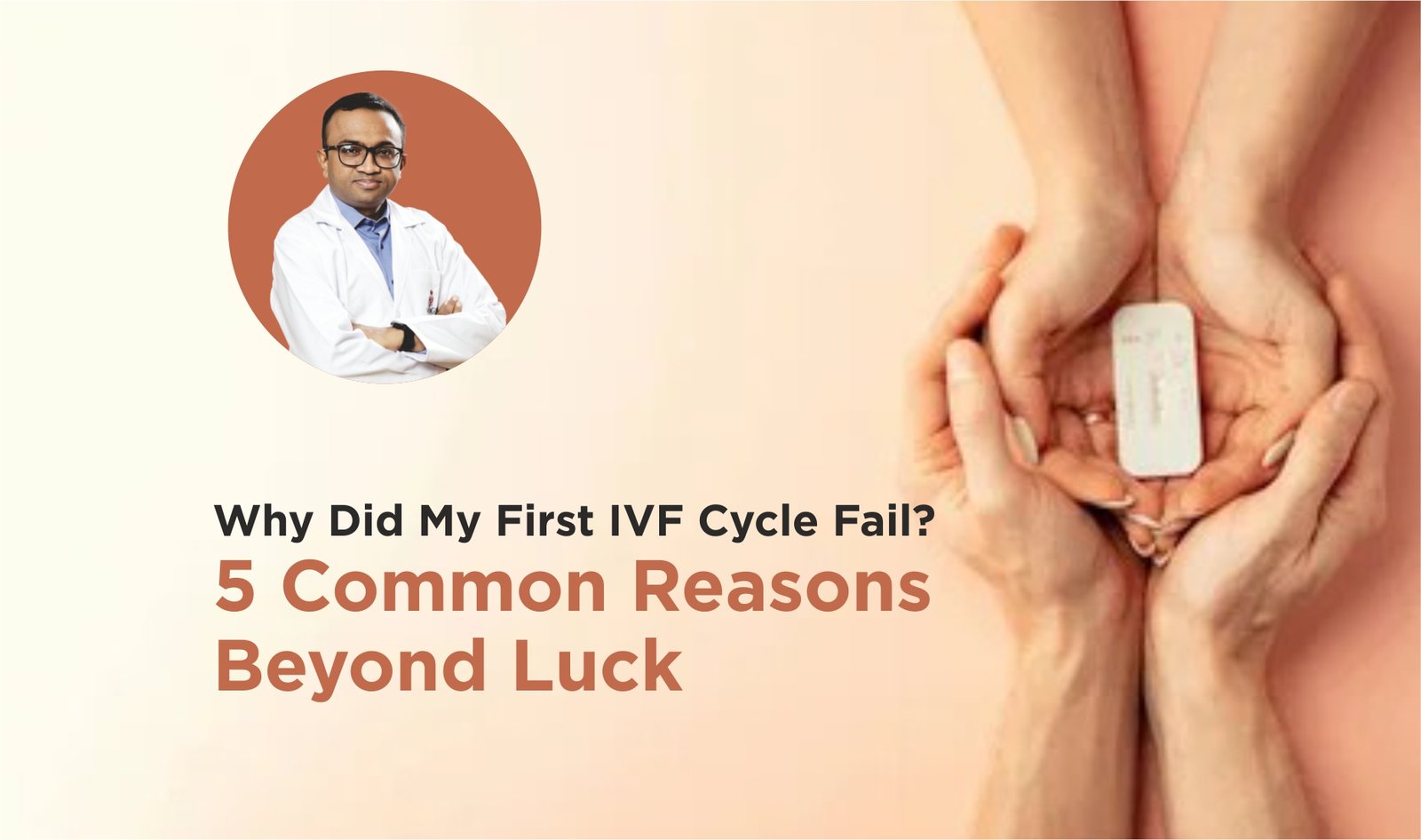
Going through an IVF cycle requires courage, hope, and emotional strength. When the first attempt fails, many couples ask the same painful question: Why Did My First IVF Cycle Fail? 5 Real Reasons & What To Do Next. In this article, we’ll explore why did my first IVF cycle fail, 5 real reasons and what to do next, so you can feel more prepared for the journey ahead.
“Why did my first IVF cycle fail?”
The truth is — IVF failure is rarely about bad luck. There are medical, biological, and sometimes technical reasons behind it. Understanding these reasons helps you plan a stronger, more successful second attempt.
At leading fertility centers like Nova IVF Fertility, specialists carefully analyze every failed cycle to improve future success rates.
Let’s understand the 5 most common reasons in simple terms.
1. Embryo Quality Issues
The most common reason for IVF failure is poor embryo quality.
Even if eggs and sperm look healthy, sometimes:
-
The embryo may have genetic abnormalities
-
The embryo may stop developing after a few days
-
The embryo may not be strong enough to implant
As women age (especially after 35), egg quality naturally declines. This increases the chances of chromosomal issues.
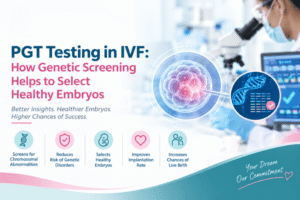
Advanced techniques like blastocyst transfer and genetic testing (PGT) can help improve success in the next cycle.
2. Implantation Problems (Uterine Factors)
Sometimes the embryo is healthy, but it does not implant properly in the uterus.
Possible reasons:
-
Thin endometrial lining
-
Uterine fibroids or polyps
-
Hormonal imbalance
-
Hidden infections
-
Immune-related issues
A detailed uterine evaluation before the next IVF cycle can identify these problems.
Experts like Dr. Jayesh Amin are known for handling complex implantation failures using advanced diagnostic approaches.
3. Sperm Quality Issues
IVF is not only about egg quality.
Poor sperm health can lead to:
-
Weak embryo development
-
Fertilization failure
-
Poor blastocyst formation
Even when sperm count is normal, DNA fragmentation may affect embryo growth.
Advanced sperm testing and techniques like ICSI can improve outcomes in repeat cycles.
4. Poor Ovarian Response
Some women produce fewer eggs during stimulation.
This can happen due to:
-
Low AMH levels
-
Age-related decline
-
Previous ovarian surgery
-
Hormonal disorders
Fewer eggs reduce the number of embryos available, which lowers overall chances.
A personalized stimulation protocol can improve egg yield in the next cycle.
5. Lab & Protocol Factors
IVF success depends heavily on:
-
Embryology lab quality
-
Freezing techniques
-
Hormone timing
-
Medication protocol
A well-equipped IVF lab and experienced fertility team significantly improve outcomes.
This is why choosing the right IVF specialist matters.
Is First IVF Failure Common?
Yes.
Globally, IVF success rate per cycle ranges between 40–60% depending on age and medical condition. This means many couples need more than one cycle.
Failure does NOT mean:
-
You cannot become pregnant
-
Your body cannot carry a baby
-
IVF will never work for you
It simply means the strategy needs adjustment.
What Should You Do After First IVF Failure?
Instead of repeating the same cycle, a detailed review is important:
✔ Embryo grading analysis
✔ Hormone level review
✔ Uterine cavity scan
✔ Immunological testing (if needed)
✔ Genetic screening discussion
A customized plan increases success in the next cycle.
Why Expert Evaluation Matters
When IVF fails, it becomes a medical puzzle. The right specialist looks deeper — beyond routine treatment.
Dr. Jayesh Amin is one of India’s leading IVF doctors for complex, failed, and self-cycle cases. He is known for:
-
Handling repeated IVF failures
-
Treating low AMH and poor ovarian response
-
Managing implantation failure cases
-
Personalized stimulation protocols
-
Advanced reproductive immunology evaluation
Couples from across India trust his expertise for second opinions and advanced IVF strategies.
Emotional Healing Is Also Important
IVF failure is not just medical — it is emotional.
It’s okay to:
-
Feel disappointed
-
Take a short break
-
Ask questions
-
Seek counseling
A supportive fertility team understands this journey.
Final Thoughts
Your first IVF failure does not define your parenthood journey.
With proper diagnosis, advanced techniques, and experienced guidance, many couples conceive successfully in their second or third cycle.
The key is not luck — it is right diagnosis + right protocol + right doctor.
If you are searching for answers after IVF failure, expert evaluation can make all the difference.